
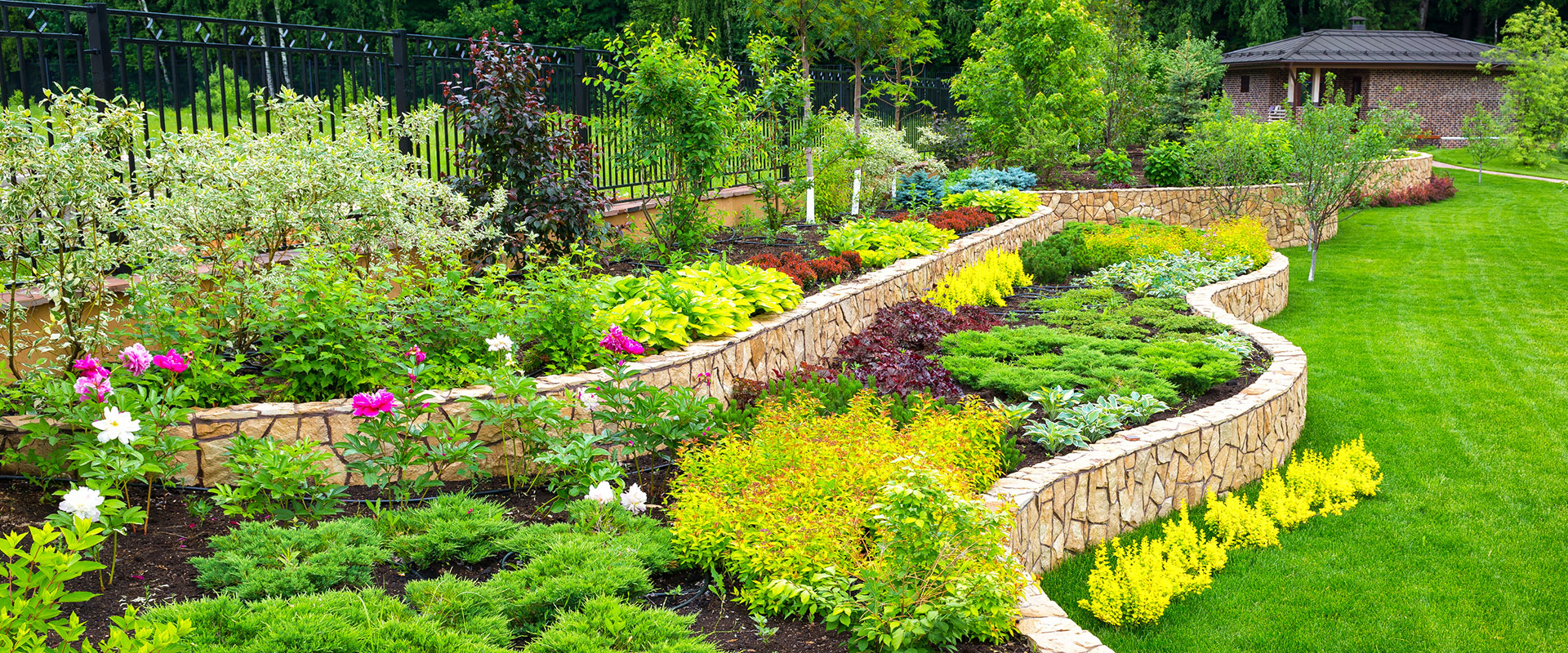
Your landscape doesn’t stop existing when the sun goes down. Yet for many North Atlanta homeowners, that’s exactly how their yards function—beautiful by day, invisible by night. The investment in plantings, hardscapes, and outdoor features simply disappears into darkness for half of every 24-hour cycle.
That’s changing. Landscape lighting has evolved from a functional afterthought into a sophisticated design element that extends your property’s beauty, usability, and security well past sunset. And the trends shaping lighting design in 2026 make it more accessible, more elegant, and more integrated than ever before.
At Everlast Lawns and Landscapes, we’ve watched lighting transform from occasional accent to essential element in comprehensive landscape design. Here’s what’s defining the field this year—and what it means for your property.
The Invisible Fixture Movement
Perhaps the most significant shift in 2026 lighting design is the emphasis on hiding the source. The goal is seeing light, not fixtures. Bulky path lights and obvious spotlights are giving way to slim, recessed, and concealed options that disappear during daylight hours.
This “invisible integration” shows up everywhere in current designs. Linear LED strips tucked under step treads cast soft illumination without visible hardware. Low-profile in-ground fixtures sit flush with pathways rather than protruding above them. Wall sconces with minimal profiles mount flat against structures. Under-cap lights nestle beneath retaining wall capstones, grazing light across textured surfaces.
The practical benefits extend beyond aesthetics. Recessed and flush-mounted fixtures create fewer tripping hazards. Hidden sources reduce visual clutter in carefully designed spaces. And when the light itself becomes the focus rather than the fixture, the landscape and architecture take center stage.
For homeowners who’ve resisted landscape lighting because they disliked the look of traditional fixtures, 2026 designs offer a compelling alternative. The technology enabling this approach has matured significantly, with smaller, more powerful LEDs making concealment practical without sacrificing illumination quality.
Layered Lighting Comes Outside
Interior designers have long understood that effective lighting requires layers—ambient, task, and accent lighting working together to create depth and function. That same principle is finally dominating outdoor lighting design.
Layered landscape lighting combines multiple fixture types, each serving a distinct purpose:
- Path Lighting: Low fixtures that guide movement along walkways, driveways, and garden paths. These provide the baseline visibility that makes outdoor spaces safely navigable after dark.
- Accent Lighting: Spotlights and uplights that highlight specific features—specimen trees, architectural elements, sculpture, or water features. These create visual interest and focal points.
- Wash Lighting: Broader illumination that softly lights larger surfaces like fences, walls, or facade sections. This provides background ambiance and spatial definition.
- Task Lighting: Focused illumination where specific activities occur—outdoor kitchens, dining areas, or seating zones. This makes spaces functional for evening use.
When these layers work together, landscapes gain depth and dimension that single-style lighting can’t achieve. Shadows become intentional rather than accidental. Movement through the space feels natural as different zones reveal themselves. The overall effect is sophisticated without being overwhelming.
The trend toward layering also supports flexibility. Different layers can be controlled independently, allowing homeowners to adjust ambiance for various occasions—bright task lighting for outdoor cooking, subtle accent lighting for quiet evenings, festive combinations for entertaining.
Warm Color Temperatures Take Over
The era of cold, bluish-white outdoor lighting is officially ending. The 2026 color palette emphasizes warmth, with most residential installations now specifying color temperatures between 2700K and 3000K—similar to the warm glow of incandescent bulbs.
This shift reflects both aesthetic preference and scientific understanding. Warmer light feels more natural and inviting in outdoor settings. It complements the organic colors of plants, stone, and wood better than cool white alternatives. And research increasingly shows that warmer wavelengths are less disruptive to human circadian rhythms, supporting better sleep for households that spend evening time outdoors.
The warm trend also aligns with dark-sky awareness. Conservation-minded homeowners are choosing amber-toned lights that minimize impact on wildlife and reduce light pollution. Fully shielded fixtures that direct all light downward—rather than allowing it to scatter upward or sideways—have become standard in quality installations.
Some 2026 systems take warmth further with “human-centric lighting” that mimics the sun’s natural cycle. Early evening light might start at a crisp 3500K, then gradually shift to deeper amber as night progresses, helping the body prepare for sleep. While this level of sophistication isn’t necessary for every installation, it represents where lighting technology is heading.
Smart Integration Becomes Standard
Landscape lighting has fully joined the smart home ecosystem. Systems that once required manual switches or simple timers now integrate seamlessly with home automation platforms, offering control through smartphone apps, voice commands, or automated schedules.
Current smart lighting capabilities include:
- Astronomical Timing: Systems that automatically adjust to sunset and sunrise, turning on and off based on actual daylight conditions rather than fixed clock times. This eliminates the seasonal adjustments that manual timers require.
- Zone Control: Independent management of different lighting areas from a single interface. The front entry, backyard patio, and garden beds can each operate on different schedules or be adjusted separately for various occasions.
- Scene Programming: Preset configurations that activate multiple zones at specific levels with one command. A “dinner party” scene might brighten the patio and dim the perimeter; a “security” scene might illuminate all areas at full intensity.
- Integration with Other Systems: Lighting that coordinates with security cameras, irrigation controllers, and indoor smart home devices. Motion sensors can trigger lighting. Security alerts can activate all exterior lights. The landscape becomes part of a unified property management system.
The emphasis in 2026 is on simplicity and reliability. Homeowners want technology that works consistently without requiring technical expertise. The best systems operate invisibly most of the time, with manual control available when needed but not constantly required.
Moonlighting and Natural Effects
One of the most elegant techniques gaining popularity is moonlighting—placing fixtures high in mature trees to cast soft, dappled light downward through branches. The effect mimics natural moonlight, creating gentle shadows that shift with the breeze.
This approach requires trees of sufficient height and canopy density, making it particularly well-suited to established Alpharetta properties with mature oaks, maples, or other shade trees. The fixtures themselves are concealed within the canopy, invisible from ground level.
Moonlighting delivers several advantages over ground-based lighting. It illuminates from a natural angle that feels organic rather than artificial. The moving shadows add visual interest that static lighting can’t match. And because the light source is elevated, it covers larger areas with fewer fixtures.
The technique works best as part of a layered design rather than a standalone approach. Moonlighting provides ambient illumination while ground-based accent lights highlight specific features. Together, they create landscapes that feel naturally illuminated rather than artificially lit.
Hardscape Integration
Concrete, stone, and other hardscape materials are increasingly designed with lighting in mind from the start. Rather than adding fixtures after construction, 2026 designs incorporate lighting into the hardscape itself.
“Glow lines”—linear LEDs embedded directly into concrete during pouring—create subtle illumination along driveways, walkway edges, and patio perimeters. The effect is clean and modern, with no visible fixtures to interrupt the surface. Step treads with integrated lighting eliminate the need for adjacent path lights. Outdoor kitchen counters and bar areas feature under-counter lighting built into the structure.
This integration requires planning during the design phase rather than retrofitting after construction. For new hardscape projects, it represents an opportunity to build lighting into the foundation of the space. For existing installations, similar effects can often be achieved with surface-mounted alternatives that approximate integrated designs.
The trend reflects the broader movement toward whole-property lighting systems where landscape beds, hardscapes, structures, and architecture operate as a unified network rather than separate elements.
Sustainability and Longevity
Environmental responsibility has become a baseline expectation rather than a premium feature. Quality 2026 installations emphasize:
- LED Efficiency: Modern LEDs consume a fraction of the energy that older lighting technologies required while delivering superior light quality and lasting far longer. The economics have shifted decisively—LED installations pay for themselves through reduced energy costs and minimal bulb replacement.
- Dark-Sky Compliance: Fully shielded fixtures that prevent light pollution, directing illumination where it’s needed rather than scattering it into the atmosphere. This benefits neighbors, wildlife, and the broader environment.
- Durable Materials: Investment-grade fixtures in brass, copper, and marine-grade metals that develop attractive patinas over decades rather than degrading. The “disposable plastic light” era is ending as homeowners recognize the value of fixtures that last.
- Solar Options: Where appropriate, solar-powered fixtures eliminate wiring requirements and operating costs entirely. Technology improvements have made solar viable for applications where it previously fell short, though hardwired systems remain superior for most primary lighting needs.
Making Your Landscape Work After Dark
The trends shaping 2026 lighting design share a common thread: intentionality. Effective landscape lighting isn’t about flooding areas with brightness—it’s about thoughtful placement, appropriate intensity, and deliberate layering that extends your property’s beauty and function into evening hours.
Professional design makes the difference between lighting that enhances and lighting that overwhelms. Understanding how different fixtures interact, where shadows should fall, what intensity suits each area, and how the overall composition reads from various vantage points requires experience that casual installations often lack.
The investment in quality landscape lighting pays returns beyond aesthetics. Evening usability extends your outdoor living season. Security improves when dark corners become visible. Property value increases—studies consistently show that professional landscape lighting enhances curb appeal and resale potential.
Partner With Everlast Lawns and Landscapes
At Everlast Lawns and Landscapes, we’ve spent decades helping Alpharetta, Milton, Cumming, and North Atlanta homeowners create exceptional outdoor environments. Our landscape lighting services range from accent lighting for specimen plantings to comprehensive whole-property systems integrating paths, patios, structures, and architectural features.
We approach lighting as an integral part of landscape design rather than an afterthought. Whether you’re planning a complete landscape transformation or adding lighting to an existing property, we bring the expertise to create systems that perform beautifully for years to come.
Contact Everlast Lawns and Landscapes for a consultation. Let’s illuminate what makes your property special—and extend that beauty well past sunset.
Posted on behalf of
4315 Summerwood Drive
Cumming , GA 30041
Phone: (770) 480-2695
Email: everlastlawns@aol.com
Monday – Friday: 8:00 AM – 5:00 PM
Saturday, Sunday: Closed