
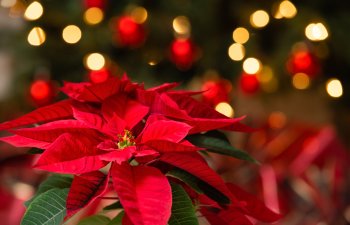
The holiday season brings an abundance of beautiful plants into homes across Alpharetta, Milton, and Cumming, but few generate as much confusion and concern as the iconic poinsettia. For decades, these stunning red and green plants have been surrounded by myths, misconceptions, and outright misinformation that has left many Georgia homeowners questioning their safety and care requirements.
As landscape professionals who have worked with countless plant varieties throughout the greater Atlanta area since 1996, we’ve encountered virtually every myth about holiday plants imaginable. From exaggerated toxicity warnings to misguided care instructions, the amount of misinformation circulating about these seasonal beauties can be overwhelming for homeowners trying to make informed decisions.
Understanding the truth about poinsettias and other popular holiday plants empowers you to enjoy these festive decorations safely while making educated choices about incorporating them into your home and landscape. Let’s separate fact from fiction and explore what you really need to know about these holiday favorites.
The Great Poinsettia Poisoning Myth
Perhaps no plant myth is more persistent or widespread than the belief that poinsettias are highly toxic and dangerous to children and pets. This misconception has been repeated so frequently that many people consider it absolute fact, leading to unnecessary fear and avoidance of these beautiful plants.
The truth is that poinsettias are far less dangerous than commonly believed. While they’re not completely non-toxic, extensive research by poison control centers and veterinary toxicologists has consistently shown that poinsettias pose minimal risk when handled normally or even when small amounts are accidentally ingested.
The American Journal of Emergency Medicine published research showing that among over 22,000 reported poinsettia exposures, none resulted in serious illness or death. Most cases involved no symptoms at all, while the few that did experience effects reported only mild stomach upset or skin irritation.
Origins of the Poinsettia Myth
The persistent belief in poinsettia toxicity can be traced back to a single unverified incident from 1919, when a two-year-old child allegedly died after eating poinsettia leaves. However, medical experts have since concluded that no reliable evidence supports this claim, and the death was likely caused by other factors.
This single, unsubstantiated report became the foundation for decades of fear-mongering about poinsettias, amplified by well-meaning but misinformed safety campaigns and passed down through generations without scientific verification.
Real Poinsettia Safety Guidelines
While poinsettias aren’t the deadly plants many believe them to be, reasonable precautions are still appropriate:
- Skin Protection: The milky sap can cause mild irritation in sensitive individuals – wear gloves when handling
- Pet Safety: Place plants out of reach to prevent mild digestive upset from large quantities
- Child Safety: Keep away from toddlers who might sample leaves
- Emergency Response: Contact poison control if significant ingestion occurs – serious intervention is rarely needed
Caring for Poinsettias in Georgia’s Climate
Georgia’s winter climate presents unique challenges and opportunities for poinsettia care that differ significantly from recommendations designed for northern climates:
Temperature Control:
- Maintain consistent temperatures between 65-70°F
- Keep away from heating vents and fireplaces
- Avoid drafty windows that cause temperature fluctuations
Humidity Management:
- Use humidity trays with pebbles and water
- Consider room humidifiers during dry winter months
- Monitor for leaf drop indicating low humidity
Light Requirements:
- Provide bright, indirect light
- East or west-facing windows work best
- Avoid direct winter sunlight that can cause leaf scorch
Other Holiday Plants: Facts and Fiction
- Christmas Trees: Many people worry about fire safety with live trees, but proper watering virtually eliminates fire risks while providing the authentic experience families love.
- Holly Berries: Unlike poinsettias, holly berries are genuinely toxic and deserve caution. These bright red berries can cause serious digestive problems if eaten by children or pets.
- Mistletoe: Both American and European varieties contain compounds that can cause illness if ingested. Keep mistletoe out of reach of children and pets to prevent accidental consumption.
- Amaryllis: These popular holiday gift plants prefer cool conditions for optimal blooming, making them easier to grow successfully during Georgia winters than in summer heat.
Incorporating Holiday Plants into Your Landscape
For Alpharetta area homeowners interested in extending their holiday plant enjoyment beyond the indoor season, many varieties can be successfully transitioned to outdoor growing conditions:
Spring Transplanting:
- Wait until after last frost danger passes (mid-April for our area)
- Gradually acclimate plants to outdoor conditions
- Choose protected locations for best survival rates
Site Selection:
- Morning sun with afternoon shade provides ideal conditions
- Protection from winter winds ensures survival during cold snaps
- Proper drainage prevents waterlogged conditions that kill tropical plants
Common Care Mistakes to Avoid
Holiday plant care failures often stem from well-intentioned but misguided practices:
- Overwatering: Most holiday plants prefer slightly dry conditions to constantly moist soil
- Temperature Shock: Gradual transitions between environments prevent stress-induced leaf drop
- Heat Source Placement: Keep plants away from fireplaces, heating vents, and other heat sources
- Inadequate Humidity: Simple humidity improvements dramatically improve plant health during dry winter months
Environmental Benefits of Holiday Plants
Holiday plants provide measurable benefits beyond their decorative value:
Air Quality Improvements:
- Remove common indoor air pollutants during sealed winter months
- Produce oxygen while absorbing carbon dioxide
- Natural humidity increases help counteract dry heating system air
Health and Wellness:
- Psychological benefits from living plants during winter months
- Connection to nature when outdoor gardening opportunities are limited
- Improved indoor air quality during peak indoor living periods
Post-Holiday Plant Care
Many homeowners don’t realize their holiday plants can provide enjoyment long after the season ends:
Indoor Maintenance:
- Reduce watering frequency as plants enter dormancy
- Maintain consistent temperatures and humidity
- Monitor for stress signs and adjust care accordingly
Outdoor Transition:
- Plan spring transplanting for suitable varieties
- Prepare planting sites with improved drainage
- Research specific requirements for each plant type
Making Informed Decisions
Understanding the facts about holiday plants allows you to make educated choices based on your family’s specific situation rather than unfounded fears. Most holiday plants pose minimal risks when handled appropriately, while providing significant benefits for both indoor air quality and psychological wellbeing.
For families with small children or pets, simple precautions like strategic placement and basic supervision provide adequate safety without eliminating the joy these beautiful plants bring to holiday celebrations.
Professional Landscape Integration
As experienced landscape professionals serving the greater Atlanta area, we often help homeowners integrate holiday plants into their year-round landscape designs. Many varieties that start as holiday decorations can become permanent landscape features with proper care and placement.
Consider consulting with landscape professionals about incorporating holiday plants into your outdoor spaces. With Georgia’s favorable climate, many tropical holiday plants can thrive outdoors year-round with appropriate site selection and care.
Enjoy Your Holiday Plants with Confidence
Don’t let outdated myths and misinformation rob you of the joy that beautiful holiday plants can bring to your celebrations. Armed with accurate information about safety and care requirements, you can confidently enjoy poinsettias and other festive plants throughout the season.
Remember that most holiday plant problems stem from care mistakes rather than inherent plant dangers. Proper watering, appropriate placement, and basic safety precautions ensure both plant health and family safety.
Expert Holiday Plant Care in Alpharetta
Whether you’re planning holiday decorating, considering landscape integration, or need guidance on plant care, the experienced team at Everlast Lawns and Landscapes has been serving Alpharetta, Milton, Cumming and surrounding communities since 1996. Our landscape professionals understand Georgia’s unique growing conditions and can help you make the most of your holiday plants both indoors and out.
For expert advice on incorporating holiday plants into your landscape design or maintaining beautiful outdoor spaces year-round, contact Everlast Lawns and Landscapes. Let our decades of experience help you create outdoor spaces that bring joy throughout every season.
Posted on behalf of
4315 Summerwood Drive
Cumming , GA 30041
Phone: (770) 480-2695
Email: everlastlawns@aol.com
Monday – Friday: 8:00 AM – 5:00 PM
Saturday, Sunday: Closed