
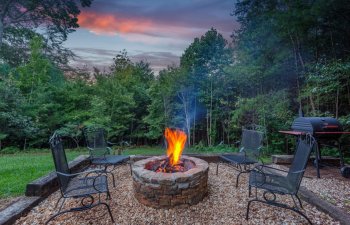
There’s something primal and magical about gathering around a fire. The dancing flames, the warmth on cool Georgia evenings, the soft crackle of burning wood—it’s an experience that transforms your backyard into a retreat where memories are made. Whether you’re roasting marshmallows with the kids, enjoying wine with friends, or simply unwinding after a long day, a fire pit creates the perfect outdoor sanctuary.
At Everlast Lawns and Landscapes, LLC, we’ve been designing and installing stunning outdoor fireplaces and fire pits for Alpharetta homeowners since 1996. We’ve seen firsthand how these features become the heart of outdoor living spaces, serving as gathering spots where families and friends create countless cherished moments. But along with the beauty and enjoyment comes an important responsibility: ensuring that every fire you light is a safe one.
Let’s explore the essential safety rules that every fire pit owner needs to know—because the only thing that should be getting heated is your fire pit, not your stress levels.
Location, Location, Location: Where Your Fire Pit Lives Matters
Before you even strike the first match, the location of your fire pit determines much of its safety profile. Think of this as the foundation of fire pit safety—get it right from the start, and you’re already ahead of the game.
- The Clearance Zone: Your fire pit needs breathing room. Maintain at least 10 to 15 feet of clearance in all directions from structures, trees, overhangs, fences, and outdoor furniture. This buffer zone protects against stray sparks that love to travel on Georgia’s sometimes unpredictable evening breezes. Remember, sparks don’t respect property lines, so consider your neighbors’ structures too.
- Mind What’s Overhead: Look up. Really look up. That beautiful tree canopy that provides afternoon shade? It’s also laden with dry leaves during certain seasons. Low-hanging branches, umbrellas, awnings, and pergola covers all pose fire hazards. Your fire pit needs clear sky overhead, not a wooden ceiling waiting for trouble.
- The Surface Situation: Never place a fire pit directly on wooden decks, grass, or other flammable surfaces. The heat radiating from the bottom of even the sturdiest fire pit can ignite materials beneath it. If you’re using a portable fire pit, always place it on a non-combustible surface like concrete, pavers, or fire-resistant mats specifically designed for this purpose. At Everlast Lawns and Landscapes, LLC, we design permanent fire pit installations with proper bases that protect your property while creating stunning focal points.
- Wind Wisdom: Choose a location somewhat sheltered from strong winds. Wind doesn’t just make fires burn faster and less predictably—it also launches embers like tiny flaming missiles toward everything you’re trying to protect. If the wind is really whipping, that might be nature’s way of saying tonight isn’t fire night.
Building Your Fire: The Right Way to Light Up
How you build your fire affects both safety and enjoyment. A well-constructed fire burns cleaner, produces less smoke, and is easier to control. Follow these guidelines for fire-building success:
- Fuel Facts: Use only dry, seasoned firewood. Green or wet wood creates excessive smoke, burns poorly, and produces more sparks and popping. Never burn treated lumber, plywood, painted wood, or wood with nails and hardware—these release toxic fumes and dangerous projectiles. And while we’re on the subject of what not to burn: no trash, plastic, paper with colored ink, leaves, or any accelerants like gasoline or lighter fluid once the fire is started.
- Size Matters: Build fires appropriate to your pit’s size. A roaring bonfire in a small fire pit isn’t impressive—it’s dangerous. Flames should stay well below the rim of your fire pit, typically no more than 12 to 18 inches high. This keeps heat manageable, reduces spark production, and maintains control.
- Starting Smart: Use proper fire starters like newspaper, cardboard, or commercial fire starters. Stack wood in a way that allows air to circulate—the teepee method works well for smaller fires. Never use gasoline, kerosene, or other flammable liquids to start or revive a fire. These create explosive conditions that can cause serious injuries.
- The Gradual Approach: Build your fire gradually, starting small and adding wood incrementally. This gives you better control and allows you to adjust if the fire becomes too large. It’s much easier to add wood than to remove burning logs from an out-of-control fire.
During the Fire: Active Management and Vigilance
Once your fire is burning, your job isn’t done—it’s just beginning. Active supervision is non-negotiable when you’re dealing with open flames.
- Never Leave It Unattended: This rule has no exceptions. Not even for “just a minute” to grab something from inside. Not even if everyone else goes inside. Someone responsible must remain with the fire at all times until it’s completely extinguished. Children and pets should never be left alone near fire pits, even briefly.
- The Safety Perimeter: Establish a safety zone around the fire pit where children and pets are not allowed. Make this rule clear and consistent. Young children are naturally drawn to fire but lack the judgment to assess danger. Supervise them constantly, and never allow running or roughhousing near the fire.
- Seating Strategy: Arrange seating at a safe distance from the fire—typically at least three feet away. This protects against sparks, unexpected flame-ups, and accidental contact. Make sure everyone knows not to lean over the fire or reach across it.
- Dress for Fire Safety: Loose, flowing clothing is a fire hazard. Long scarves, oversized sleeves, and dangling drawstrings can catch fire before you even realize they’ve gotten too close to flames. Synthetic fabrics like polyester and nylon melt when ignited, potentially causing severe burns. Natural fibers like cotton are safer choices for fire pit gatherings.
- Keep Control Tools Handy: Have your fire safety equipment within easy reach—not stored in the garage or shed. This includes a fire extinguisher rated for wood fires, a bucket of sand, a garden hose with water pressure, and a long-handled poker or shovel for manipulating logs. You don’t want to be hunting for these things in an emergency.
- Watch for Warning Signs: Stay alert for excessive sparking, sudden flame increases, or embers floating away. These indicate it’s time to let the fire die down or add safety measures. If smoke consistently blows toward seating areas, reposition chairs rather than letting everyone breathe smoke all evening.
Food and Fire: Safety Considerations for Cooking
Roasting marshmallows and hot dogs are practically fire pit traditions, but cooking over open flames requires additional safety awareness.
- Skewer Safety: Use long roasting sticks or skewers—at least three feet long—to keep hands safely away from flames. Metal roasting sticks stay cooler than wooden ones, and those with wooden handles offer the best protection. Teach children never to point roasting sticks at others and to be aware of where the hot end is at all times.
- Food Flare-Ups: Fats and sugars dripping from food can cause sudden flame-ups. Don’t panic—just remove the food from over the fire until flames subside. Keep flammable napkins, paper plates, and food packaging well away from the fire.
- Hot Food Hazards: Remember that food cooked over fire remains extremely hot even after removal from flames. Give foods time to cool before eating, especially when serving children. Marshmallows in particular retain heat far longer than expected and can cause serious burns to mouths and skin.
Extinguishing Your Fire: The Final Critical Step
How you end your fire session is just as important as how you start it. A fire isn’t truly out until it’s cold to the touch—anything else is just a fire waiting to restart.
- Time Management: Begin extinguishing your fire at least 30 minutes before you want to head inside. Proper extinguishment takes time and patience. Never rush this process or assume embers will safely burn out on their own.
- The Extinction Method: Stop adding wood early and let the fire burn down to embers. Once flames are gone, spread out the embers and ash with your poker. Slowly pour water over all the embers, covering everything. Stir the wet ashes with your poker to ensure water reaches all hot spots. Add more water and repeat the stirring process. Pour until hissing stops, then add more water just to be sure.
- The Touch Test: Before going inside, carefully place your hand near the ashes (not touching, unless you’re certain it’s completely cool). If you feel any warmth at all, the fire isn’t fully extinguished. Add more water and wait longer.
- Alternative Extinguishing: If water isn’t practical, sand or dirt can smother flames. However, these methods are less reliable for ensuring embers are completely cool, so exercise extra caution. Never use sand or dirt as a shortcut—water remains the gold standard for fire extinguishment.
- Ash Disposal: Allow ashes to completely cool for at least 24 hours before disposal. Even then, place them in a metal container with a lid, never in plastic bins or near combustible materials. Ashes can retain heat for days and have been known to start fires long after they seemed cold.
Weather and Seasonal Considerations
Georgia weather can be unpredictable, and conditions dramatically affect fire safety. Stay informed and flexible about when to skip the fire.
- Burn Bans and Regulations: Many Georgia municipalities implement burn bans during dry conditions or high fire danger periods. Check local regulations before lighting any outdoor fire. Violating burn bans isn’t just dangerous—it can result in fines and liability for any fires that spread.
- Wind Warnings: If wind speeds exceed 15 mph, reconsider having a fire. Strong winds make fires unpredictable and dangerous, no matter how careful you are. It’s better to reschedule your gathering than risk property damage or injury.
- Drought Conditions: During droughts, even areas far from your fire pit can be tinder-dry and susceptible to stray embers. Exercise extra caution or avoid fires altogether during extended dry periods.
- Rain Checks: While a light drizzle might not seem like cause for concern, rain can make fire management more difficult and surfaces around your fire pit slippery. Heavy rain is a clear signal to skip the fire and head inside.
Professional Installation: The Foundation of Safety
While safety practices are crucial, they work best when your fire pit is properly designed and installed from the start. At Everlast Lawns and Landscapes, LLC, we create custom outdoor fireplaces and fire pits built with safety as the foundation. Our installations include proper clearances, non-combustible bases, appropriate sizing for your space, and professional construction that meets or exceeds safety standards.
Whether you envision a grand natural stone fireplace as the centerpiece of your patio or a sleek contemporary fire pit for intimate gatherings, our team brings decades of experience in creating outdoor features that are both stunning and safe. We consider factors like prevailing wind patterns, proximity to structures, drainage, and local regulations during the design process, ensuring your fire feature is positioned and constructed for maximum safety and enjoyment.
Your Safe Outdoor Sanctuary in Alpharetta
A fire pit doesn’t have to be a source of anxiety—with proper safety practices, it becomes exactly what it should be: a wonderful addition to your outdoor living space that brings people together and creates lasting memories. The key is respecting fire’s power while enjoying its beauty.
At Everlast Lawns and Landscapes, LLC, we’ve been helping Alpharetta, Milton, Cumming, and Johns Creek homeowners create stunning outdoor living spaces since 1996. From initial design through final installation, we ensure your outdoor fireplace or fire pit is built right, positioned safely, and ready to become the gathering spot your family will treasure for years to come.
If you’re dreaming of late evenings around a fire, s’mores with the family, or simply the warm glow of flames on cool Georgia nights, contact us today for a free estimate. Let us design and build the perfect outdoor fire feature for your backyard—one that’s as safe as it is beautiful. Because the best fires are the ones where the only thing you’re worrying about is whether to make one more s’more.
Posted on behalf of
4315 Summerwood Drive
Cumming , GA 30041
Phone: (770) 480-2695
Email: everlastlawns@aol.com
Monday – Friday: 8:00 AM – 5:00 PM
Saturday, Sunday: Closed